When treating hives, we try to find their cause. Medicine is prescribed to control the rash and itching.
Hives are usually controlled with antihistamines. (Caution: antihistamines may cause drowsiness; if you feel sleepy, don't drive. Also do not drink alcohol.)
Injections of epinephrine (Adrenalin) may be used for treating severe hives.
Natural treatments such as Lacitrex can be quite effective.
Sometimes epinephrine-like medicines taken by mouth are used in combination with antihistamines.
If these drugs don't stop hives, it's likely that cortisone will.
Hives usually improve within 24 hours of starting a medication.
Medicines applied to your skin such as lotions, creams, and sprays won't help your hives.
Cooling the skin often relieves severe itching. A cold shower is the simplest way.
Since heat worsens itching, avoid overheating and hot baths.
When the hives have cleared up, continue taking the medicine for 2 days. Once you've been free of the hives for 2 days, gradually decrease your medication over the next 7-8 days.
Wednesday, February 28, 2007

Tuesday, February 27, 2007
SKIN care and hygiene are important for longer and healthy living, Red Cross volunteers were told at a workshop in Suva yesterday.
Tamavua Hospital skin specialist Doctor Mohammed Abdul Hamid said people should be more cautious when it comes to basic personal cleanliness. Dr Hamid emphasised the importance of washing hands, taking baths and protecting the skin against the sun.
He said local people were in the habit of living in close proximity, which resulted in the easy spread of skin diseases.
Dr Hamid said many people were unaware that skin diseases were easily spread due to close association with animals as well. He said it was important for people to wash their hands after playing with their pets.
Dr Hamid said it was important to educate people about healthy living so they could make wise choices.
Hygiene, he said, was important because it provided comfort, relaxation, improved one's self image, promoted cleanliness, stipulated circulation and allowed for assessment.
"The skin is a dynamic organ that reacts to various stimuli from the outside and from the body itself. It is not only just for beauty but has very important functions. Proper skin care and hygiene is necessary for it to function well. We should take care of the skin and it will take care of us," said Dr Hamid.
The week-long workshop aims to train a group of 20 volunteers from throughout Fiji in an effort by the Red Cross to provide better service to the public.
Tamavua Hospital skin specialist Doctor Mohammed Abdul Hamid said people should be more cautious when it comes to basic personal cleanliness. Dr Hamid emphasised the importance of washing hands, taking baths and protecting the skin against the sun.
He said local people were in the habit of living in close proximity, which resulted in the easy spread of skin diseases.
Dr Hamid said many people were unaware that skin diseases were easily spread due to close association with animals as well. He said it was important for people to wash their hands after playing with their pets.
Dr Hamid said it was important to educate people about healthy living so they could make wise choices.
Hygiene, he said, was important because it provided comfort, relaxation, improved one's self image, promoted cleanliness, stipulated circulation and allowed for assessment.
"The skin is a dynamic organ that reacts to various stimuli from the outside and from the body itself. It is not only just for beauty but has very important functions. Proper skin care and hygiene is necessary for it to function well. We should take care of the skin and it will take care of us," said Dr Hamid.
The week-long workshop aims to train a group of 20 volunteers from throughout Fiji in an effort by the Red Cross to provide better service to the public.
Monday, February 26, 2007
London, Jan 31: According to a new study by researchers at Stanford University, California, a blast of sunshine could help fight skin diseases and cancer by attracting immune cells to the skin surface. Eugene Butcher at Stanford University in California, US, and colleagues discovered an interesting immune process in human skin. The researchers noted that sunshine regulates immune cells in the skin, called dendritic cells, which convert vitamin D3 (produced in exposed skin in response to sunlight) into its active form.
This "active" vitamin D3 then causes T-cells to migrate to the uppermost layer of the skin, Butcher`s team found. T-cells are the immune cells that destroy damaged and infected cells, and they also regulate other immune cells. The findings explain how T-cells "know" to go to the skin`s surface once the skin has suffered some sun-induced DNA-damage, the researchers say. "Sunshine is good for you, as long as it`s not too much," New Scientist quoted team member Hekla Sigmundsdottir, as saying.She points out that the skin disorder psoriasis is sometimes treated with vitamin D3 creams - it may work by moving T-cells into the skin, she speculates.
The finding adds to a growing body of evidence that dendritic cells, which live in tissues that are exposed to the outside environment, such as the skin and nose, run "traffic control" for the immune system, interpreting local conditions and directing T-cells to where they are needed.
This "active" vitamin D3 then causes T-cells to migrate to the uppermost layer of the skin, Butcher`s team found. T-cells are the immune cells that destroy damaged and infected cells, and they also regulate other immune cells. The findings explain how T-cells "know" to go to the skin`s surface once the skin has suffered some sun-induced DNA-damage, the researchers say. "Sunshine is good for you, as long as it`s not too much," New Scientist quoted team member Hekla Sigmundsdottir, as saying.She points out that the skin disorder psoriasis is sometimes treated with vitamin D3 creams - it may work by moving T-cells into the skin, she speculates.
The finding adds to a growing body of evidence that dendritic cells, which live in tissues that are exposed to the outside environment, such as the skin and nose, run "traffic control" for the immune system, interpreting local conditions and directing T-cells to where they are needed.
Thursday, February 22, 2007
Oral antibiotics


For patients with moderate to severe acne, doctors often prescribe oral antibiotics. Oral antibiotics are thought to help control acne by curbing the growth of bacteria and reducing inflammation. Prescription oral and topical medicines may be combined. Common antibiotics used to treat acne are tetracycline (Achromycin V), minocycline (Dynacin, Minocin), and doxycycline (Adoxa, Doryx, and Monodox).
Other oral medicines less commonly used are clindamycin (Cleocin), erythromycin, or sulfonamides (Bactrim). Some people taking these antibiotics have side effects, such as an upset stomach, dizziness or lightheadedness, changes in skin color, and increased tendency to sunburn. Because tetracyclines may affect tooth and bone formation in fetuses and young children, these drugs are not given to pregnant women or children under age 14. There is some concern, although it has not been proven, that tetracycline and minocycline may decrease the effectiveness of birth control pills. Therefore, a backup or another form of birth control may be needed. Prolonged treatment with oral antibiotics may be necessary to achieve the desired results.
Other oral medicines less commonly used are clindamycin (Cleocin), erythromycin, or sulfonamides (Bactrim). Some people taking these antibiotics have side effects, such as an upset stomach, dizziness or lightheadedness, changes in skin color, and increased tendency to sunburn. Because tetracyclines may affect tooth and bone formation in fetuses and young children, these drugs are not given to pregnant women or children under age 14. There is some concern, although it has not been proven, that tetracycline and minocycline may decrease the effectiveness of birth control pills. Therefore, a backup or another form of birth control may be needed. Prolonged treatment with oral antibiotics may be necessary to achieve the desired results.
Wednesday, February 21, 2007
list Of skin diseases
Acne
Actinic keratosis
Angioma
Athlete's foot
Aquagenic pruritus
Atopic dermatitis
Baldness
Basal cell carcinoma
Bed sore
Behcet's Disease
Blepharitis
Boil
Bowen's Disease
Bullous pemphigoid
Canker sore
Carbuncles
Cellulitis
Chloracne
Chronic dermatitis of the hands and feet
Cold sores
Contact dermatitis
Creeping eruption
Dandruff
Dermatitis
Dermatitis herpetiformis
Dermatofibroma
Diaper rash
Dyshidrosis
Eczema
Epidermolysis bullosa
Erysipelas
Erythroderma
Ferguson's Disease
Friction blister
Genital wart
Hidradenitis suppurativa
Hyperhidrosis
Ichthyosis
Impetigo
Jock itch
Kaposi's sarcoma
Keloid
Keratoacanthoma
Keratosis pilaris
Lice infection
Lichen planus
Lichen simplex chronicus
Lipoma
Lymphadenitis
Malignant melanoma
Melasma
Miliaria
Molluscum contagiosum
Nummular dermatitis
Paget's disease of the nipple
Pediculosis
Pemphigus
Perioral dermatitis
Photoallergy
Photosensitivity
Pityriasis rosea
Pityriasis rubra pilaris
Porphyria
Psoriasis
Raynaud's disease
Ringworm
Rosacea
Scabies
Scleroderma
Sebaceous cyst
Seborrheic keratosis
Seborrhoeic dermatitis
Shingles
Skin cancer
Skin Tags
Spider veins
Squamous cell carcinoma
Stasis dermatitis
Tick bite
Tinea barbae
Tinea capitis
Tinea corporis
Tinea cruris
Tinea pedis
Tinea unguium
Tinea versicolor
Tinea
Tungiasis
Urticaria
Vitiligo
Warts
Actinic keratosis
Angioma
Athlete's foot
Aquagenic pruritus
Atopic dermatitis
Baldness
Basal cell carcinoma
Bed sore
Behcet's Disease
Blepharitis
Boil
Bowen's Disease
Bullous pemphigoid
Canker sore
Carbuncles
Cellulitis
Chloracne
Chronic dermatitis of the hands and feet
Cold sores
Contact dermatitis
Creeping eruption
Dandruff
Dermatitis
Dermatitis herpetiformis
Dermatofibroma
Diaper rash
Dyshidrosis
Eczema
Epidermolysis bullosa
Erysipelas
Erythroderma
Ferguson's Disease
Friction blister
Genital wart
Hidradenitis suppurativa
Hyperhidrosis
Ichthyosis
Impetigo
Jock itch
Kaposi's sarcoma
Keloid
Keratoacanthoma
Keratosis pilaris
Lice infection
Lichen planus
Lichen simplex chronicus
Lipoma
Lymphadenitis
Malignant melanoma
Melasma
Miliaria
Molluscum contagiosum
Nummular dermatitis
Paget's disease of the nipple
Pediculosis
Pemphigus
Perioral dermatitis
Photoallergy
Photosensitivity
Pityriasis rosea
Pityriasis rubra pilaris
Porphyria
Psoriasis
Raynaud's disease
Ringworm
Rosacea
Scabies
Scleroderma
Sebaceous cyst
Seborrheic keratosis
Seborrhoeic dermatitis
Shingles
Skin cancer
Skin Tags
Spider veins
Squamous cell carcinoma
Stasis dermatitis
Tick bite
Tinea barbae
Tinea capitis
Tinea corporis
Tinea cruris
Tinea pedis
Tinea unguium
Tinea versicolor
Tinea
Tungiasis
Urticaria
Vitiligo
Warts
Tuesday, February 20, 2007
Common ichthyosis ("ichthyosis vulgaris") produces dry skin and (if you look closely), alligator-like pattern of scales, mostly on the extremities.
The autosomal dominant form of common ichthyosis is caused by defective synthesis of filaggrin, the histidine-rich protein of keratohyalin granules. For some reason, the desmosomes stay intact longer than they should, delaying the shedding of the dead epidermal cells. This semi-disease is extremely common, with 1 person in 250 affected.
The X-linked recessive form is caused by lack of steroid sulfatase ("arylsulfatase C"), which is responsible for the breakdown of the cholesteryl sulfate glue that helps hold skin cells together.
* If for some reason you want to distinguish these two entities, the autosomal dominant form spares the flexural creases, while the recessive form involves them. We can tell on biopsy too.
The more severe lamellar ichthyosis is a mix of genetic diseases, including people with defective K1 or K10 keratins, and people with defective transglutaminases
The autosomal dominant form of common ichthyosis is caused by defective synthesis of filaggrin, the histidine-rich protein of keratohyalin granules. For some reason, the desmosomes stay intact longer than they should, delaying the shedding of the dead epidermal cells. This semi-disease is extremely common, with 1 person in 250 affected.
The X-linked recessive form is caused by lack of steroid sulfatase ("arylsulfatase C"), which is responsible for the breakdown of the cholesteryl sulfate glue that helps hold skin cells together.
* If for some reason you want to distinguish these two entities, the autosomal dominant form spares the flexural creases, while the recessive form involves them. We can tell on biopsy too.
The more severe lamellar ichthyosis is a mix of genetic diseases, including people with defective K1 or K10 keratins, and people with defective transglutaminases
Monday, February 19, 2007
Financial reporting in government can be seen as a summary of the government's performance, or capacity, in raising, handling, and using public money. Another way of expressing the role of financial reporting is to say it goes hand in hand with accountability. Accountability is often considered one of the cornerstones of good democratic governments. Officials are given authority and responsibility and it is the task of the officials to clearly convey actions taken and whether these actions fall within the prescriptions of law and community wishes.
Assessing performance or accounting with respect to raising, handling, and using public money is a complex issue.
The criteria are many, diverse, and sometimes conflicting. In some cases there is a recognized rule or standards making body that can cover selected aspects of financial accountability. In general, however, there may be more than one rule making body. For instance, there can be governmental and private rule making bodies. Residents of the affected jurisdiction may have their own views or oversight committees. More generally, in a democratic society there are often norms that provide guidance on accountability. These norms, too, may diverge.
As an illustration, consider the disagreement that can arise over a tax decision. Is it adequate to cover current and future obligations made by decision makers; does it relate payments to benefits received; does it impose greater burdens on one group as opposed to others; and is it difficult to collect? Financial reports can be generated on all these issues.
This text focuses more on the collectivity of financial decisions made by government, state and local government in particular. How does money raised cover spending and obligations?
What is the current and future financial health of the jurisdiction or subentities covered. How do these decisions comply with the expectations of rule or standard making bodies?
Governments issue many types of financial reports, but the most encompassing and visible at the state and local level is the Comprehensive Annual Financial Report (see this chapter, lesson 2) ( CAFR ).
The CAFR includes the financial statements. In this text the financial statements provide the main focus and thus the term financial statement is sometimes used interchangeably with the phrase financial report. Financial statements are fairly exacting in format and provide a quantitative look at the operating success, financial health, and compliance of the government reporting units.
The financial statements are often referred to as the GPFS (General Purpose Financial Statements) and can occasionally be taken out of the CAFR and shown separately. The form of these statements and the definitions of what they seek to assess are evolving. One form or definition may make success, health, and compliance appear adequate while another, less so. For instance, with some forms and definitions borrowing can be used to boost chances for reported success; in others, it cannot. As a result, this text will look critically at the current form and definitions and examine alternatives.
Assessing performance or accounting with respect to raising, handling, and using public money is a complex issue.
The criteria are many, diverse, and sometimes conflicting. In some cases there is a recognized rule or standards making body that can cover selected aspects of financial accountability. In general, however, there may be more than one rule making body. For instance, there can be governmental and private rule making bodies. Residents of the affected jurisdiction may have their own views or oversight committees. More generally, in a democratic society there are often norms that provide guidance on accountability. These norms, too, may diverge.
As an illustration, consider the disagreement that can arise over a tax decision. Is it adequate to cover current and future obligations made by decision makers; does it relate payments to benefits received; does it impose greater burdens on one group as opposed to others; and is it difficult to collect? Financial reports can be generated on all these issues.
This text focuses more on the collectivity of financial decisions made by government, state and local government in particular. How does money raised cover spending and obligations?
What is the current and future financial health of the jurisdiction or subentities covered. How do these decisions comply with the expectations of rule or standard making bodies?
Governments issue many types of financial reports, but the most encompassing and visible at the state and local level is the Comprehensive Annual Financial Report (see this chapter, lesson 2) ( CAFR ).
The CAFR includes the financial statements. In this text the financial statements provide the main focus and thus the term financial statement is sometimes used interchangeably with the phrase financial report. Financial statements are fairly exacting in format and provide a quantitative look at the operating success, financial health, and compliance of the government reporting units.
The financial statements are often referred to as the GPFS (General Purpose Financial Statements) and can occasionally be taken out of the CAFR and shown separately. The form of these statements and the definitions of what they seek to assess are evolving. One form or definition may make success, health, and compliance appear adequate while another, less so. For instance, with some forms and definitions borrowing can be used to boost chances for reported success; in others, it cannot. As a result, this text will look critically at the current form and definitions and examine alternatives.
Wednesday, February 14, 2007
treatment for mild acne
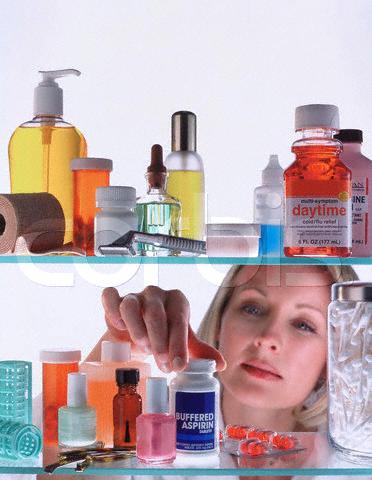
Treatment for Blackheads, Whiteheads, and Mild Inflammatory Acne
Doctors usually recommend an OTC or prescription topical medicine for people with mild signs of acne. Topical medicine is applied directly to the acne lesions or to the entire area of affected skin.
There are several OTC topical medicines used for mild acne. Each works a little differently. Following are the most common ones:
Benzoyl peroxide – destroys P. acnes, and may also reduce oil production
Resorcinol – can help break down blackheads and whiteheads
Salicylic acid – helps break down blackheads and whiteheads. Also helps cut down the shedding of cells lining the hair follicles
Sulfur – helps break down blackheads and whiteheads.
Topical OTC medicines are available in many forms, such as gels, lotions, creams, soaps, or pads. In some people, OTC acne medicines may cause side effects such as skin irritation, burning, or redness, which often get better or go away with continued use of the medicine. If you experience severe or prolonged side effects, you should report them to your doctor.
OTC topical medicines are somewhat effective in treating acne when used regularly; however, it may take up to 8 weeks before you see noticeable improvement.
Doctors usually recommend an OTC or prescription topical medicine for people with mild signs of acne. Topical medicine is applied directly to the acne lesions or to the entire area of affected skin.
There are several OTC topical medicines used for mild acne. Each works a little differently. Following are the most common ones:
Benzoyl peroxide – destroys P. acnes, and may also reduce oil production
Resorcinol – can help break down blackheads and whiteheads
Salicylic acid – helps break down blackheads and whiteheads. Also helps cut down the shedding of cells lining the hair follicles
Sulfur – helps break down blackheads and whiteheads.
Topical OTC medicines are available in many forms, such as gels, lotions, creams, soaps, or pads. In some people, OTC acne medicines may cause side effects such as skin irritation, burning, or redness, which often get better or go away with continued use of the medicine. If you experience severe or prolonged side effects, you should report them to your doctor.
OTC topical medicines are somewhat effective in treating acne when used regularly; however, it may take up to 8 weeks before you see noticeable improvement.
treatment for mild acne
Treatment for Blackheads, Whiteheads, and Mild Inflammatory Acne
Doctors usually recommend an OTC or prescription topical medicine for people with mild signs of acne. Topical medicine is applied directly to the acne lesions or to the entire area of affected skin.
There are several OTC topical medicines used for mild acne. Each works a little differently. Following are the most common ones:
Benzoyl peroxide – destroys P. acnes, and may also reduce oil production
Resorcinol – can help break down blackheads and whiteheads
Salicylic acid – helps break down blackheads and whiteheads. Also helps cut down the shedding of cells lining the hair follicles
Sulfur – helps break down blackheads and whiteheads.
Topical OTC medicines are available in many forms, such as gels, lotions, creams, soaps, or pads. In some people, OTC acne medicines may cause side effects such as skin irritation, burning, or redness, which often get better or go away with continued use of the medicine. If you experience severe or prolonged side effects, you should report them to your doctor.
OTC topical medicines are somewhat effective in treating acne when used regularly; however, it may take up to 8 weeks before you see noticeable improvement.
Doctors usually recommend an OTC or prescription topical medicine for people with mild signs of acne. Topical medicine is applied directly to the acne lesions or to the entire area of affected skin.
There are several OTC topical medicines used for mild acne. Each works a little differently. Following are the most common ones:
Benzoyl peroxide – destroys P. acnes, and may also reduce oil production
Resorcinol – can help break down blackheads and whiteheads
Salicylic acid – helps break down blackheads and whiteheads. Also helps cut down the shedding of cells lining the hair follicles
Sulfur – helps break down blackheads and whiteheads.
Topical OTC medicines are available in many forms, such as gels, lotions, creams, soaps, or pads. In some people, OTC acne medicines may cause side effects such as skin irritation, burning, or redness, which often get better or go away with continued use of the medicine. If you experience severe or prolonged side effects, you should report them to your doctor.
OTC topical medicines are somewhat effective in treating acne when used regularly; however, it may take up to 8 weeks before you see noticeable improvement.
Monday, February 12, 2007
Factors that make acne worse...

Factors that can cause an acne flare include:
Changing hormone levels in adolescent girls and adult women 2 to 7 days before their menstrual period starts
Oil from skin products (moisturizers or cosmetics) or grease encountered in the work environment (for example, a kitchen with fry vats)
Pressure from sports helmets or equipment, backpacks, tight collars, or tight sports uniforms
Environmental irritants, such as pollution and high humidity
Squeezing or picking at blemishes
Hard scrubbing of the skin
Stress
Changing hormone levels in adolescent girls and adult women 2 to 7 days before their menstrual period starts
Oil from skin products (moisturizers or cosmetics) or grease encountered in the work environment (for example, a kitchen with fry vats)
Pressure from sports helmets or equipment, backpacks, tight collars, or tight sports uniforms
Environmental irritants, such as pollution and high humidity
Squeezing or picking at blemishes
Hard scrubbing of the skin
Stress
Friday, February 9, 2007
What Are The Different Types Of Skin Cancer?
Basal cell carcinoma is the single most common kind of skin cancer. More than 90 per cent of all skin cancers in the United States are basal cell carcinomas. Fortunately, basal cell carcinoma also is the least serious kind of skin cancer. That's because it grows slowly and rarely spreads. It spreads in less than 1 out of every 1,000 patients.
Squamous cell carcinoma is more serious because it does spread to vital organs inside the body. Spread occurs in a few cases in every 100. It does so slowly. At first cancer cells tend to spread only as far as the nearest lymph nodes, structures which filter out and trap the cancer cells. If spread has occurred, the affected lymph nodes can be removed before cancer spreads to vital organs.
Malignant melanoma is the most serious kind of skin cancer because it may spread quickly from the skin through the lymph nodes or blood, to internal organs.
Wednesday, February 7, 2007
Treatment of Acne
Acne is often treated by dermatologists (doctors who specialize in skin problems). These doctors treat all kinds of acne, particularly severe cases. Doctors who are general or family practitioners, pediatricians, or internists may treat patients with milder cases of acne.
The goals of treatment are to heal existing lesions, stop new lesions from forming, prevent scarring, and minimize the psychological stress and embarrassment caused by this disease. Drug treatment1 is aimed at reducing several problems that play a part in causing acne:
abnormal clumping of cells in the follicles
increased oil production
bacteria
inflammation.
All medicines can have side effects. Some medicines and side effects are mentioned in this booklet. Some side effects may be more severe than others. You should review the package insert that comes with your medicine and ask your health care provider or pharmacist if you have any questions about the possible side effects.
Depending on the extent of the problem, the doctor may recommend one of several over-the-counter (OTC) medicines and/or prescription medicines. Some of these medicines may be topical (applied to the skin), and others may be oral (taken by mouth). The doctor may suggest using more than one topical medicine or combining oral and topical medicines.
The goals of treatment are to heal existing lesions, stop new lesions from forming, prevent scarring, and minimize the psychological stress and embarrassment caused by this disease. Drug treatment1 is aimed at reducing several problems that play a part in causing acne:
abnormal clumping of cells in the follicles
increased oil production
bacteria
inflammation.
All medicines can have side effects. Some medicines and side effects are mentioned in this booklet. Some side effects may be more severe than others. You should review the package insert that comes with your medicine and ask your health care provider or pharmacist if you have any questions about the possible side effects.
Depending on the extent of the problem, the doctor may recommend one of several over-the-counter (OTC) medicines and/or prescription medicines. Some of these medicines may be topical (applied to the skin), and others may be oral (taken by mouth). The doctor may suggest using more than one topical medicine or combining oral and topical medicines.
Monday, February 5, 2007
causes of acne

The exact cause of acne is unknown, but doctors believe it results from several related factors. One important factor is an increase in hormones called androgens (male sex hormones). These increase in both boys and girls during puberty and cause the sebaceous glands to enlarge and make more sebum. Hormonal changes related to pregnancy or starting or stopping birth control pills can also cause acne.
Another factor is heredity or genetics. Researchers believe that the tendency to develop acne can be inherited from parents. For example, studies have shown that many school-age boys with acne have a family history of the disorder. Certain drugs, including androgens and lithium, are known to cause acne. Greasy cosmetics may alter the cells of the follicles and make them stick together, producing a plug.
Another factor is heredity or genetics. Researchers believe that the tendency to develop acne can be inherited from parents. For example, studies have shown that many school-age boys with acne have a family history of the disorder. Certain drugs, including androgens and lithium, are known to cause acne. Greasy cosmetics may alter the cells of the follicles and make them stick together, producing a plug.
Subscribe to:
Comments (Atom)
